







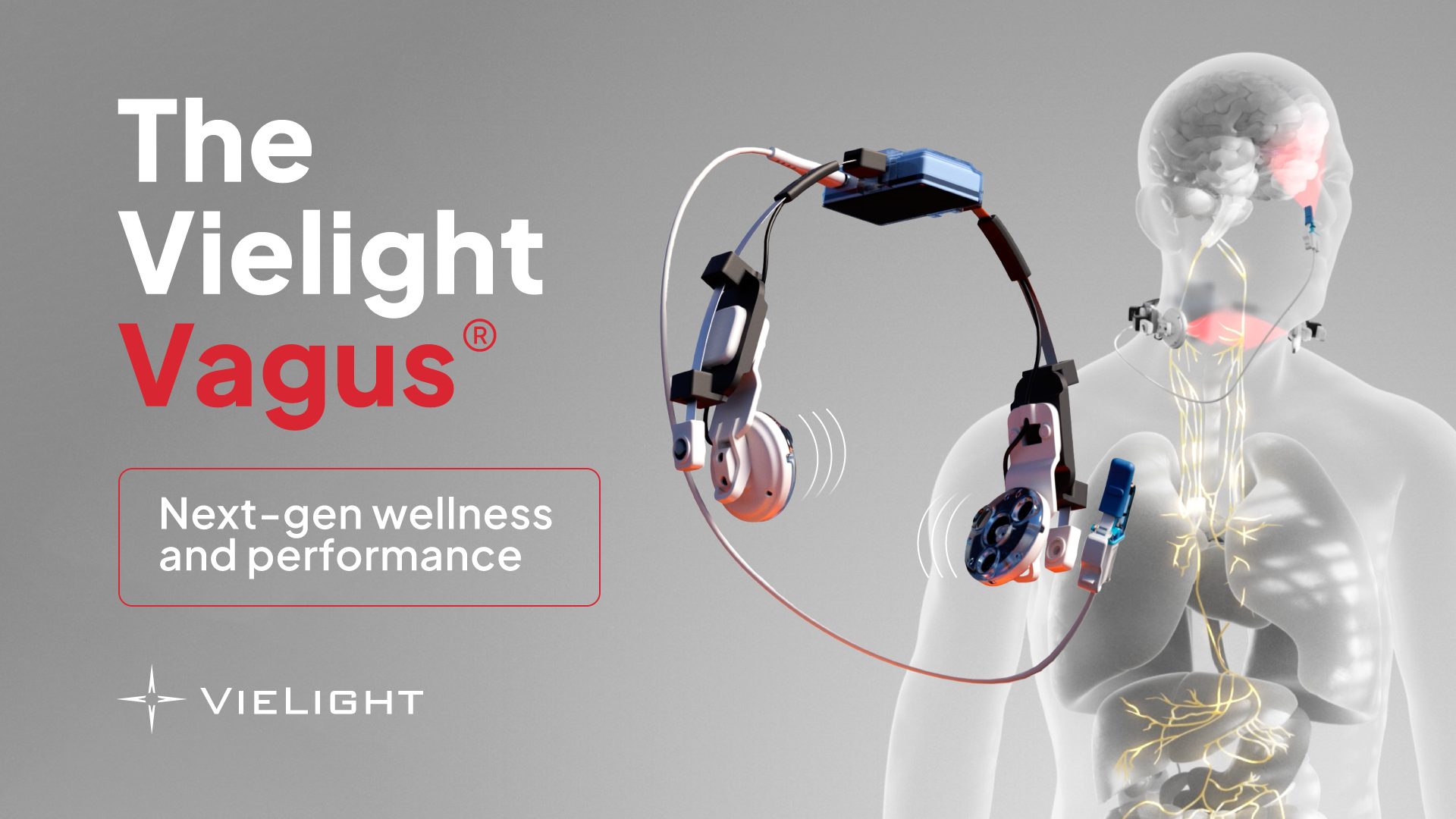
The Next Evolution of Vagus Nerve Stimulation: Introducing the Vielight Vagus
The vagus nerve is the “superhighway” of the body—playing a central role in regulating inflammation, mood, and overall homeostasis.
Vagus nerve stimulation (VNS) has emerged as a promising approach for enhancing autonomic balance, reducing systemic inflammation, and improving mental health. It is gaining recognition for its potential in treating conditions ranging from depression and anxiety to chronic inflammation and cognitive performance.
However, historically, VNS has had a usability problem. It required either surgical implantation of electrodes or electrical transcutaneous approaches (like ear clips). Both present challenges in terms of comfort, tolerability, and user convenience.
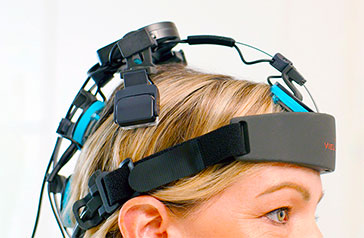
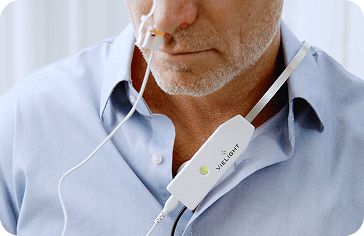
Enter the Vielight Vagus. This device introduces an innovative, non-invasive alternative by leveraging photobiomodulation (PBM) to target the cervical branches of the vagus nerve bilaterally, using pulsed near-infrared light.
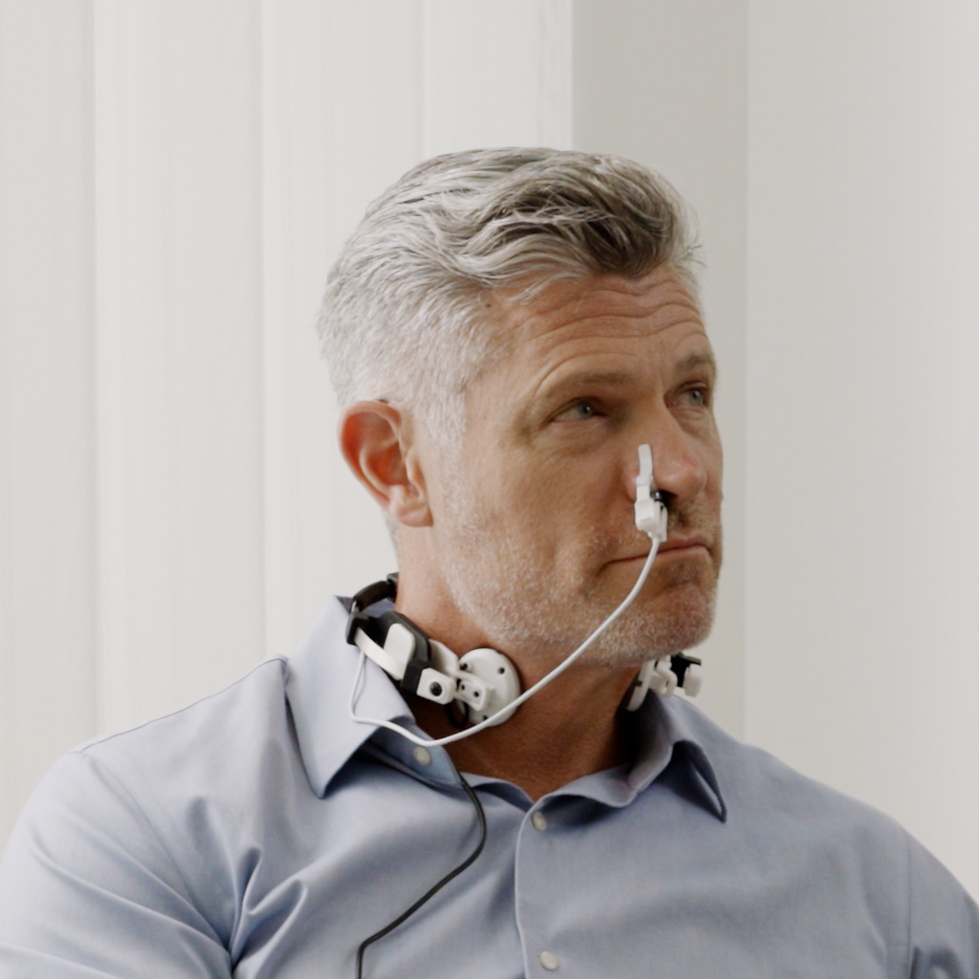
How it Works
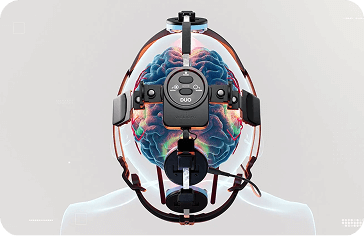
The Vielight Vagus is a non-invasive PBM device designed for a consistent, hands-free experience.
-
Target: Bilateral cervical branches of the vagus nerve (beneath the sternocleidomastoid muscles).
-
Method: Hands-free headset form factor.
-
Technology: 810 nm near-infrared light pulsed at 100 Hz.
Early Experimental Outcomes
Internal experiments with PBM at 810 nm (50 mW/cm²) delivering different pulse frequencies achieved a significant increase in vagal tone at 100 Hz. Interestingly, this effect was not seen at the 20–30 Hz range commonly used in electrical stimulation. These results support outcomes observed in recent electrical VNS studies (Sclocco et al., 2020; Yokota et al., 2022).
Why Light is Superior to Electricity
The Vielight Vagus solves the two biggest complaints regarding current VNS devices: discomfort and inconvenience.
1. Advantages Over Auricular VNS (Ear Clips) Auricular VNS targets a minor projection of the vagal network in the ear. While it connects to central circuits, it is an indirect route. In contrast, the Vielight Vagus targets the cervical vagus nerve, which contains the main afferent fibers projecting directly to the nucleus tractus solitarius (NTS). This suggests a more robust pathway for vagal engagement. Furthermore, it eliminates the irritation often caused by ear clips.
2. Advantages Over Electrical Cervical Devices (e.g., gammaCore, Pulsetto) Electrical devices require current to pass through the skin. This often produces muscle twitching, pain, or discomfort, and requires conductive gels. The Vielight Vagus uses light to stimulate the nerve via photochemical pathways. There is no sensory perception, no need for messy gels, and no risk of electrical overstimulation.

The Science: How PBM Stimulates the Vagus Nerve
While electrical stimulation causes direct depolarization (firing) of the nerve, PBM achieves comparable outcomes through photoactivation.
PBM stimulates afferent fibers via mitochondrial activation (cytochrome c oxidase), intracellular calcium signaling, and the modulation of reactive oxygen species (ROS). This creates a “metabolic enhancement” of the nerve rather than a forced electrical shock, making it a complementary strategy with distinct safety advantages.
The Power of Bilateral Stimulation Traditional electrical VNS usually targets only the left vagus nerve to avoid affecting the heart’s pacemaker (the sinoatrial node). Because PBM does not electrically depolarize the nerve, it poses no known cardiac risk. This allows the Vielight Vagus to stimulate bilaterally (both sides), potentially doubling the afferent signaling and improving autonomic balance.