







Viral and Immunity Recovery Results | Vielight RX-Plus Major Clinical Trial (n=294) | Health Canada Medical Device License
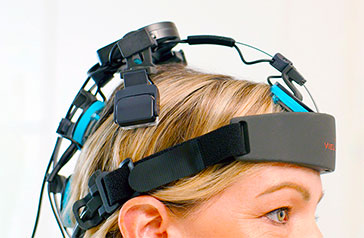
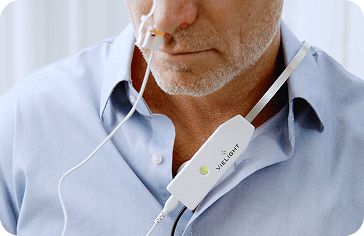
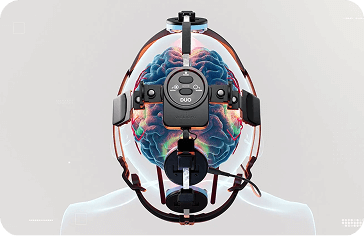
These results are based on a major viral recovery clinical trial (n=294) conducted with the Vielight RX-Plus 4
The Vielight RX-Plus is the only PBM device supported by published clinical results for viral recovery and inflammatory-based immunity (September 2024).
Health Canada medical device license indication: “The Vielight RX Plus is intended to accelerate the recovery of upper respiratory symptoms in viral infections, such as COVID-19” | Health Canada Medical Device License
Introduction
Although the Covid-19 pandemic has officially ended worldwide, thousands of people continue to be hospitalized weekly due to Covid-19 and upper respiratory viral infections. Athletes and elderly individuals are both particularly vulnerable to upper respiratory viral infections, though in different ways.
In elderly individuals, weakened immune responses and pre-existing health conditions can make respiratory infections more severe, leading to complications such as pneumonia or hospitalization.
For athletes, these infections can impair respiratory function, reduce oxygen intake, and hinder physical performance, often delaying recovery and training. Intense physical activity can also temporarily suppress the immune system, increasing susceptibility to infections.
This large-scale clinical trial (n=294) studied the affects of systemic and intranasal photobiomodulation on viral recovery speed and efficacy.
The biggest successful PBM clinical trial
This biggest successful PBM major clinical trial (n=294) in history utilized the Vielight RX-Plus and examined the efficacy of photobiomodulation (PBM) in treating acute COVID-19 infections.
The primary focus was on recovery speed in patients with moderate-to-severe symptoms. Patients with symptom durations of 0–7 days experienced significantly faster recovery when treated with PBM and standard care (SOC) compared to SOC alone. However, those with 8–12 days of symptoms did not show significant improvement.
Recruitment
Recruitment began in September 2020, with 701 adults who tested positive for COVID-19 assessed for eligibility. Of these, 407 did not meet the inclusion/exclusion criteria: 406 participants either had severity scores outside the required 4-7 range on the WURSS-44 scale or were outside the age range of 18-65, while one couldn’t complete forms in English. This left 294 eligible participants. Recruitment ended on July 5, 2021, due to the availability of monoclonal antibodies, declining interest, and sufficient numbers for statistical power, after which the datasets were locked.

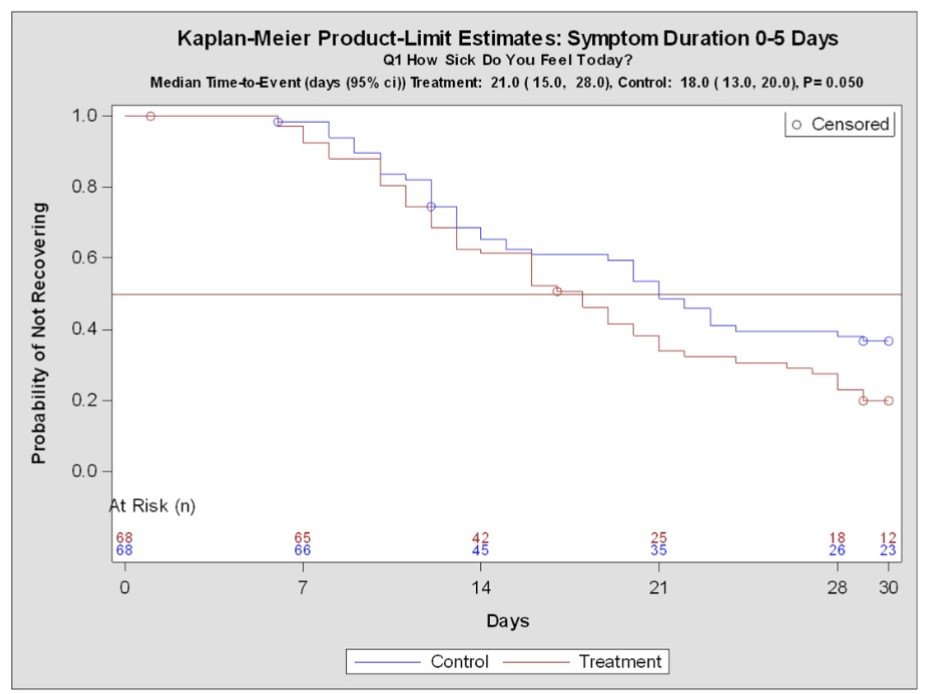
Results summary
This study evaluated the effectiveness of photobiomodulation (PBM) therapy, specifically the Vielight RX Plus, in accelerating recovery from COVID-19 for non-hospitalized patients with moderate-to-severe symptoms. In patients experiencing symptoms for 0–7 days, PBM significantly reduced recovery time compared to standard of care (SOC) alone. However, in those with longer symptom durations (8–12 days), PBM did not produce a statistically significant improvement.
PBM was particularly effective in alleviating respiratory symptoms and reducing adverse effects like tachycardia and dysgeusia. It also contributed to a quicker recovery in specific symptoms such as headache, chest congestion, and body aches for patients in the 0–7 day symptom group. In contrast, the 8–12 day group showed slower recovery from fatigue and other energy-related symptoms, though they did experience milder symptom severity for some issues.
The study attributes the benefits of PBM to its anti-inflammatory effects, which have been linked to reduced cytokine levels in past research.


